Summer heat does not create structural failures in premium real estate. High temperatures merely expose the engineering shortcuts developers executed during the construction phase. When temperatures rise across India, building materials naturally expand. This thermal expansion mercilessly tests the structural integrity of your property asset.
If your builder compromised on concrete pouring schedules to save time or money, you will eventually see the results fractured across your walls. Industry professionals call this specific engineering failure the cold joint. It is absolutely not a minor cosmetic blemish.
A cold joint represents a fundamental structural weakness that actively threatens your generational wealth. Mastering cold joint crack detection is a mandatory skill for any serious property investor. You must identify these hidden vulnerabilities before the developer’s legal liability period expires.
The Anatomy of a Structural Threat

Concrete requires continuous, uninterrupted pouring to cure into a single, monolithic shield. Structural strength depends entirely on the chemical bonding of wet materials. When a developer delays the second batch of concrete, the first batch hardens prematurely.
The subsequent concrete pour completely fails to bond chemically with the already dried layer. This invisible boundary creates the cold joint. It acts as a permanent, unsealed fault line running directly through the core of your load-bearing walls or foundational pillars.
The Mechanics of Expansion Failure
Understanding the physics behind this failure is critical for proper cold joint crack detection. The separated layers react differently to environmental stress.
- Thermal Discrepancy: The unbonded layers expand and contract at different rates during seasonal temperature shifts.
- Moisture Infiltration: The microscopic gap allows monsoon moisture to penetrate the core structure easily.
- Rebar Oxidation: Water ingress inevitably reaches the internal steel reinforcement bars, causing rapid oxidation and rust expansion.
This internal expansion forces the concrete outward. The resulting physical split compromises the entire structural load path of the building.
How Developers Mask the Damage

Unethical contractors rarely excavate and repair a cold joint properly. They choose to camouflage the vulnerability instead. They deploy heavy layers of acrylic putty, fiberglass mesh, and premium paint to bridge the structural gap.
This optical illusion lasts just long enough to secure your final payment. Developers rely on this superficial masking to push the property through the handover phase smoothly. You can learn more about securing your final walkthrough in our comprehensive [INTERNAL LINK: Property Handover Checklist].
The Summer Reveal
Once the intense summer heat arrives, the physics of thermal expansion take over. The two unbonded concrete layers shift. The brittle acrylic putty simply cannot handle the sheer force.
The camouflage snaps instantly. A jagged, horizontal, or stepped diagonal line rips across your expensive interior finishes. At this point, the structural deficit is undeniable, and the repair costs shift entirely to the homeowner if left unchallenged.
The 5-Year RERA Lifeline: Enforcing Your Rights

You possess a powerful legal shield against these engineering failures. Under Section 14(3) of the Real Estate (Regulation and Development) Act, 2016, developers carry strict liability for structural defects. This legislation fundamentally altered the balance of power in Indian real estate.
If you identify a workmanship defect, structural failure, or service provision flaw within five years of taking possession, the promoter must rectify it. Furthermore, they must complete these repairs without demanding any additional charges from the homebuyer.
The Strategic Ticking Clock
Developers often employ delay tactics when confronted with structural complaints. They attempt to drag out the communication process until this five-year statutory window officially closes. You must document the failure immediately upon discovery.
Registering your grievance formally through state authorities, such as the MahaRERA digital framework, locks in your timeline. Effective cold joint crack detection ensures you file your claims well before the developer escapes their legal obligations.
Tactical Guide: Cold Joint Crack Detection on Site
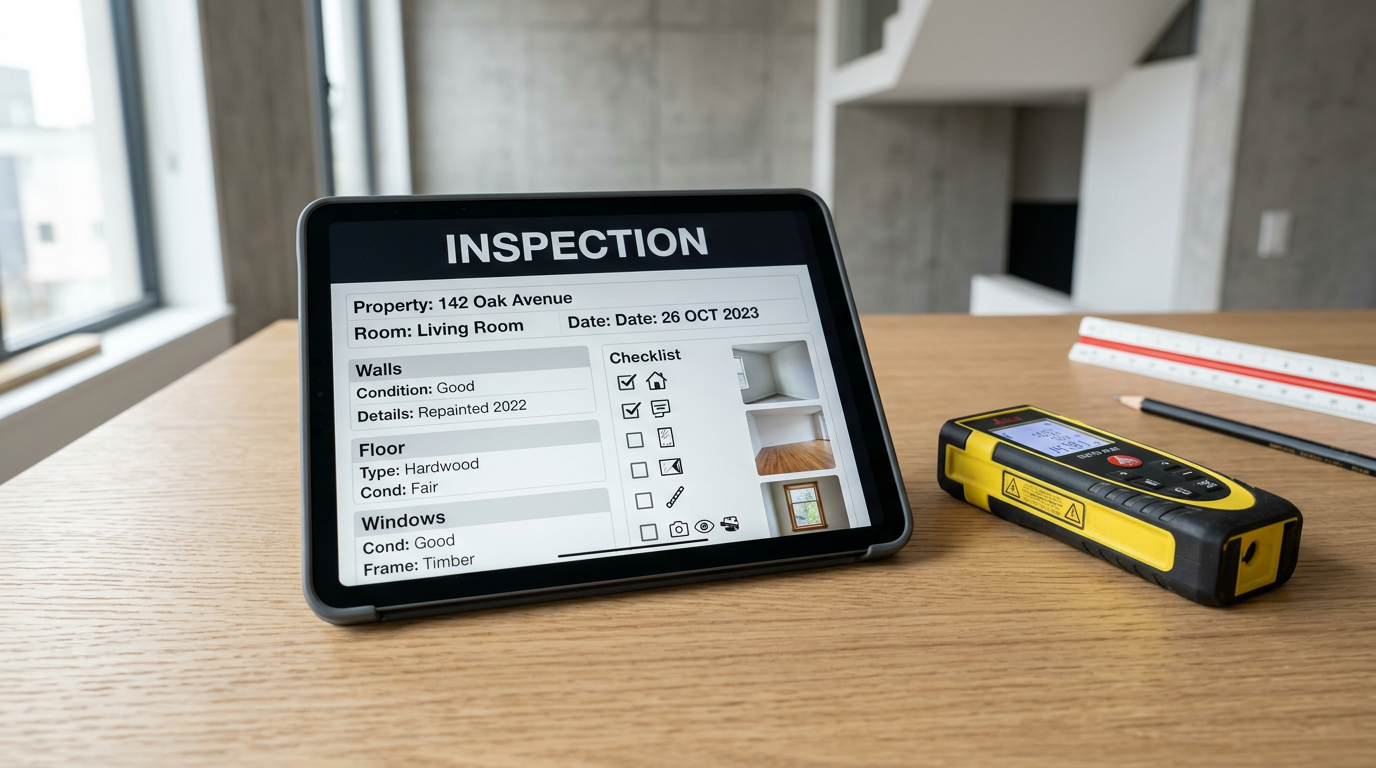
You must actively deploy cold joint crack detection strategies before signing the final possession documents. Never trust the fresh coat of paint. You must inspect the asset with the precision of a forensic auditor.
Bring a high-lumen flashlight to your site visits. Cast the light parallel to the walls rather than pointing it directly at them. This raking light technique highlights subtle surface deviations and hidden putty mounds that indicate a covered cold joint.
Visual Indicators of Structural Failure
Distinguishing between normal plaster settling and severe structural failure requires attention to specific geometric patterns. Review our [INTERNAL LINK: Structural Audit Guide] for deeper technical insights.
- Horizontal Linearity: Cold joints typically manifest as perfectly straight horizontal lines, reflecting the exact level where the first concrete pour stopped.
- Seasonal Recurrence: If a crack reappears in the exact same location every summer despite repeated patching, you are dealing with a moving structural joint.
- Moisture Rings: Look for faint yellow or brown water stains surrounding the fracture, indicating external moisture penetrating the unbonded seam.
Document every suspicious anomaly with timestamped photographs. This evidence forms the foundation of your RERA defect liability claim.
The BlockRestate Solution: Immutable Structural Verification

Human observation alone cannot secure a multi-crore real estate asset against sophisticated developer camouflage. BlockRestate deploys an impenetrable enterprise trust layer to eliminate these structural blind spots. Our proprietary architecture ensures that every property audit remains completely tamper-proof and legally actionable.
The Decentralized Verification Pipeline
Our operational workflow guarantees objective truth through decentralized validation. An On-Ground Runner physically visits the property asset to capture raw, unedited video walkthrough evidence of the spatial dimensions and structural integrity.
This footage feeds directly into our AI Sentinel. This advanced server-side middleware automatically applies data privacy filters, including facial blurring, ensuring strict compliance with the DPDP Act, 2023. The AI Sentinel also executes automated deepfake and tamper scans before any human evaluation occurs.
Next, a 3-Person Anonymous Jury reviews the privacy-compliant video. This decentralized pool of independent reviewers answers specific, system-generated questions based solely on visual evidence, completely preventing localized bribery.
Institutional Cross-Verification
Simultaneously, an Independent Lawyer & Engineer conduct separate evaluations. These technical professionals submit their individual reports directly to the system. All data converges in the Consensus Validation Vault (CVV).
Within this institutional enterprise vault, the separate reports and Garvi Index-2 receipts are securely reconciled. We cross-verify this data directly against official statutory government databases, such as the IGRS, before final cryptographic validation. Finally, we utilize Arweave & Polygon Dynamic NFTs to forge a permanent, decentralized vault architecture, ensuring a tamper-proof digital record of your property audit.
Financial Routing and Builder Flexibility
BlockRestate uses automated Razorpay Escrow and Smart Collect systems exclusively to manage internal operational pipelines. When a client purchases an audit package, funds enter a secure Razorpay Escrow account.
Internal payouts are dynamically routed to the on-ground runner, independent engineer, lawyer, and decentralized jurors only after their specific validation tasks are completed. BlockRestate never holds homebuyers’ property purchase money or manages builder construction capital.
Furthermore, forward-thinking developers can optimize project cash flows by utilizing an exclusive 4-to-6 month zero-interest installment plan via Razorpay Smart Collect to cover the cost of their comprehensive BlockRestate verification packages.
Conclusion
The silent threat of the cold joint crack destroys property value and compromises structural safety. Developers frequently rely on superficial putty and premium paint to hide these engineering failures from unsuspecting buyers. You cannot afford to rely on visual aesthetics when securing generational wealth.
Mastering cold joint crack detection allows you to leverage the powerful 5-year defect liability period mandated by RERA. By identifying these flaws early, you force the developer to bear the financial burden of rectification. Protect your asset with BlockRestate’s immutable, AI-driven verification infrastructure today.